Disclosure: I run a company that sells home water testing kits. This ruling makes private testing more relevant, which is a conflict. Noted.
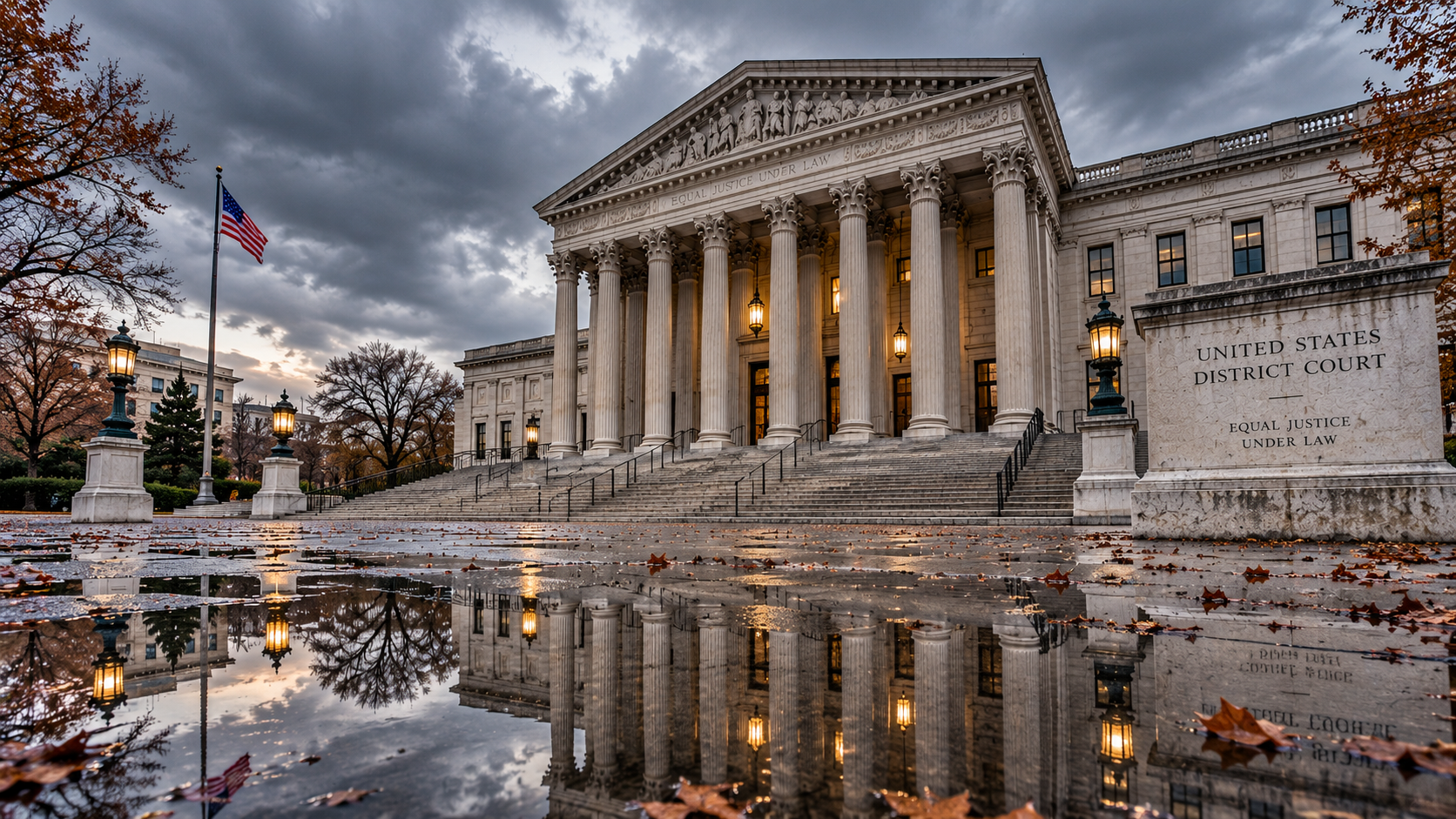
The Fifth Circuit Court of Appeals, sitting with its full bench, ruled that the U.S. Constitution guarantees neither a right to clean drinking water nor a right to accurate information from public officials. The 10-judge majority affirmed the dismissal of claims by residents of Jackson, Mississippi, who alleged that city and state officials knowingly allowed lead to contaminate the water system and misled them about it. Judge Engelhardt, writing for the majority, said the Constitution “does not provide redress for every governmental wrongdoing.” The dissent argued for a state-created-danger theory and would have let the case go to discovery.
I’m not a lawyer. Here’s the version a safety person can use.
What the ruling is and isn’t
It’s not a ruling that lead in the water is fine. It’s not a ruling that Jackson did nothing wrong. It’s a ruling about which legal door you can walk through. The residents sued under the Constitution, specifically the due process clause, arguing that the government created the danger and hid it. The court said that door is closed: the Constitution doesn’t create an affirmative right to safe water or truthful officials, so a constitutional claim fails no matter how bad the facts are.
Other doors exist. The Safe Drinking Water Act. State tort law. Consent decrees and EPA enforcement. Those weren’t before the court. But the constitutional claim is the one that lets you sue officials personally for what they knew and when, and that’s the one that just got harder in the states the Fifth Circuit covers: Texas, Louisiana, and Mississippi. Other circuits may see it differently, which is how these things end up at the Supreme Court.
Why it matters outside the Fifth Circuit
Because the second half of the ruling is the part that travels. No constitutional right to accurate information from public officials. Read that next to the 9/11 records story from this same week. Two cases, twenty-five years apart, same question: when a government has data showing an exposure and tells the public something else, what can the public do about it?
The Fifth Circuit’s answer, for its states, is: not this. And that shifts the practical burden somewhere specific.
Where the burden lands
On independent verification. If the legal backstop for “they knew and didn’t tell us” is weaker, the only reliable check a household has on its utility is its own test. Not because utilities are lying, most aren’t, but because the incentive structure just tilted a little further toward reassurance, and the remedy for being reassured wrongly just got narrower.
This is the same conclusion I reached on the Pentagon PFAS delays last week, and I don’t love that it keeps being the conclusion. A world where every household has to test its own tap because the institutional promises aren’t enforceable is a worse world than one where the promises are enforceable. But it’s the world this ruling describes for a third of the Gulf Coast, and pretending otherwise doesn’t help anyone.
What I’d do
If you’re on municipal water: read your utility’s annual Consumer Confidence Report, not just the cover letter. Find the lead line. Look at the 90th percentile number and the action level. If your building has lead service lines or pre-1986 plumbing, test at the tap, first draw, because the utility’s number is a system average and your faucet is not.
If you’re on a private well: nobody’s reporting to you at all. That was true before the ruling and it’s true now.
What we know
- Fifth Circuit, en banc, ruled the Constitution does not guarantee a right to clean drinking water or to accurate information from public officials.
- 10-judge majority affirmed dismissal of Jackson, MS residents’ claims alleging officials knowingly allowed lead contamination.
- Judge Engelhardt wrote for the majority; the dissent argued for a state-created-danger doctrine.
What we don’t know yet
- Whether plaintiffs will seek Supreme Court review.
- How other circuits will treat similar claims.
- The status of non-constitutional claims and enforcement actions regarding Jackson’s water.
Key facts
Court: U.S. Court of Appeals for the Fifth Circuit (TX, LA, MS). Reported September 4–9, 2026.
Sources
Corrections: If we got something wrong, tell us at kelly.sacredintel@gmail.com. We fix errors publicly and note the change here.