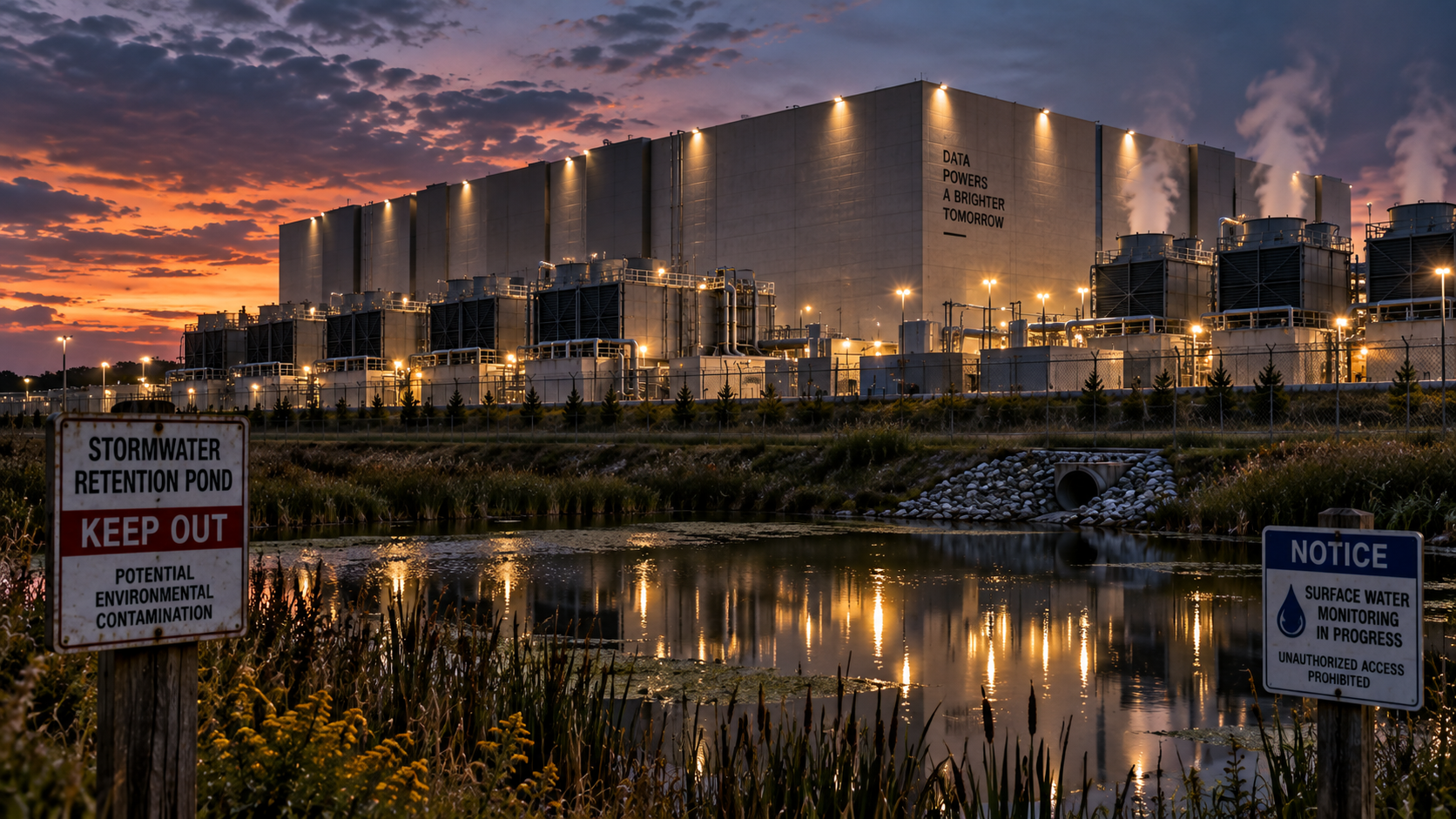
Inside Climate News reports on a watchdog analysis of the Freeport LNG facility in Texas finding chronic, unpermitted pollution: emission events that recur rather than happening as the occasional exceptional upset the permit contemplates. Flaring, venting, equipment failures, the things a plant reports when something goes wrong.
The interesting part isn’t the finding. Big industrial facilities having more upsets than their permits assume is not a surprise. The interesting part is the evidence. The analysis relies on the facility’s own reported emission-event data, not on agency enforcement records.
Why that matters
Most states, Texas and New York included, require permitted facilities to report emission events: when they happened, how long they lasted, what was released and how much. The reports are filed with the state and, in most cases, they’re public. Nobody reads them. Agencies are understaffed, the reports are tedious, and each one on its own looks like a one-off.
Stack them up over a year and they’re a pattern. A facility that reports an “unexpected” flaring event every three weeks doesn’t have unexpected events; it has a process that flares every three weeks and a permit that pretends it doesn’t. The watchdog didn’t need a monitor or an inspection. They needed the reports and a spreadsheet.
The New York version
The same reporting streams exist here. Title V facilities in New York file deviation reports and emission event notifications with DEC. When a client asks what the plant down the road is actually releasing, the instinct is to look for monitoring data, and there usually isn’t any, per the last two weeks of this publication. The better first move is to pull the facility’s own filings. It reported what it released, in its own words, under penalty of perjury. Start there.
What we know
A watchdog analysis found chronic, recurring unpermitted emission events at Freeport LNG, Texas, using the facility’s own reported emission-event data (Inside Climate News, September 11, 2026).
What we don’t know yet
Whether TCEQ or EPA takes enforcement action based on the analysis.
Sources
Inside Climate News, September 11, 2026: https://insideclimatenews.org/news/11092026/texas-freeport-lng-unpermitted-pollution/
Corrections: If we got something wrong, tell us at kelly.sacredintel@gmail.com. We fix errors publicly and note the change here.