On September 9, EPA and the Army Corps of Engineers published a supplemental notice reopening their proposed definition of “Waters of the United States.” WOTUS, if you’ve ever sat in a preconstruction meeting where the phrase came up and everyone went quiet. It’s the definition that decides which streams, wetlands, and ditches fall under federal Clean Water Act jurisdiction, and it’s been litigated more or less continuously for thirty years.
The Supreme Court’s 2023 Sackett decision narrowed it sharply. The agencies proposed a post-Sackett rule in 2025, got about 220,000 comments, and are now asking a second round of questions before finalizing. Two definitions are on the table:
“Relatively permanent” waters. The proposal would define this as flowing every day of the year, with carve-outs for drought and for interruptions of no more than 30 consecutive days. A stream that dries up in August might not count.
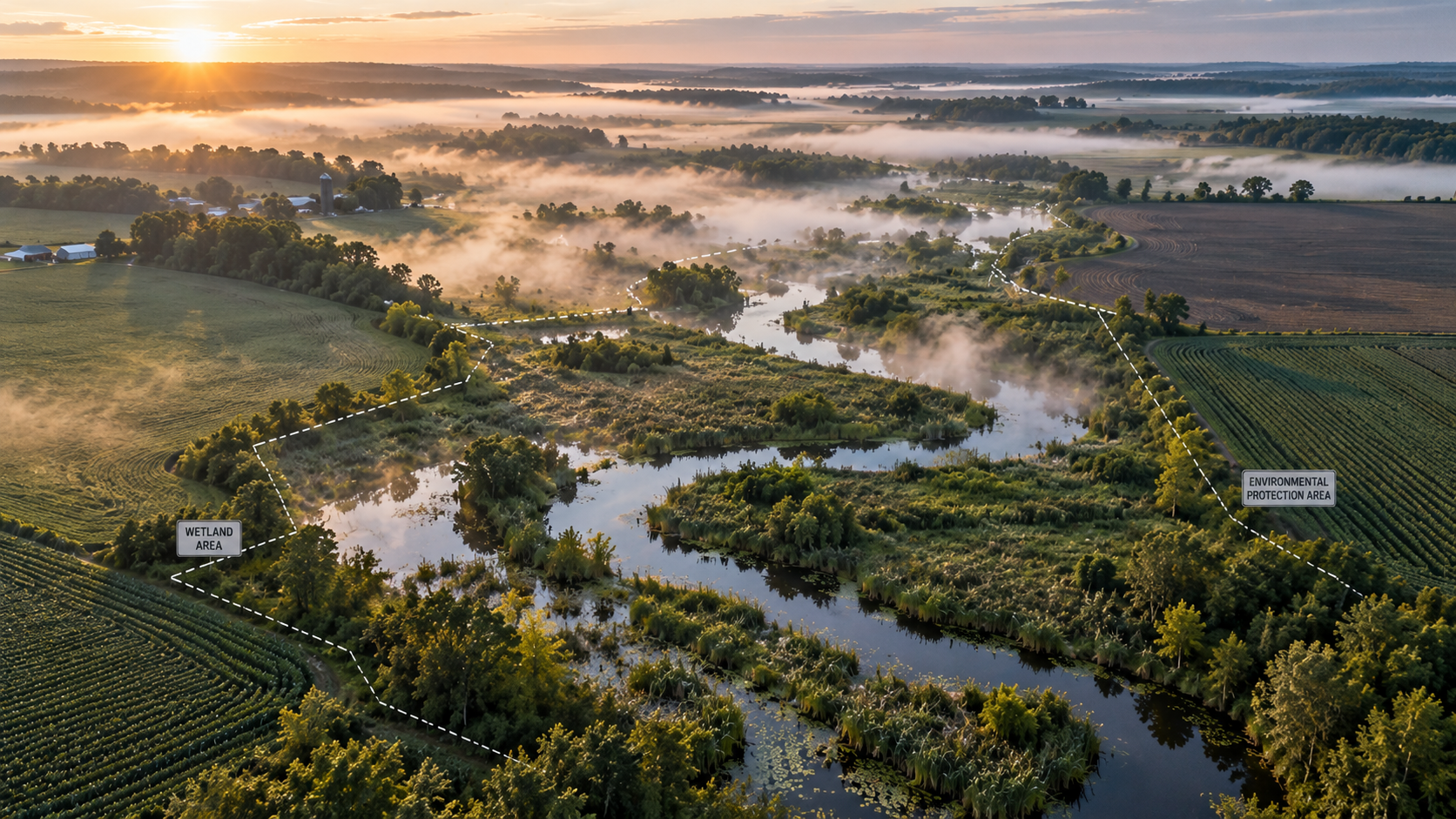
“Continuous surface connection” for adjacent wetlands. How connected does a wetland have to be to a navigable water to be federally regulated? One alternative would limit jurisdiction to wetlands “indistinguishably part of” the navigable water and delete the “adjacent” definition entirely.
Why a safety person is writing about a wetlands rule
Because jurisdiction decides paperwork, and paperwork decides how a job runs. If a water body is federal, disturbing it needs a Section 404 permit from the Corps, a formal wetland delineation, and a stormwater plan tied to the federal construction general permit. If it’s not federal, it may still be regulated, but by a different agency under different rules with different timelines.
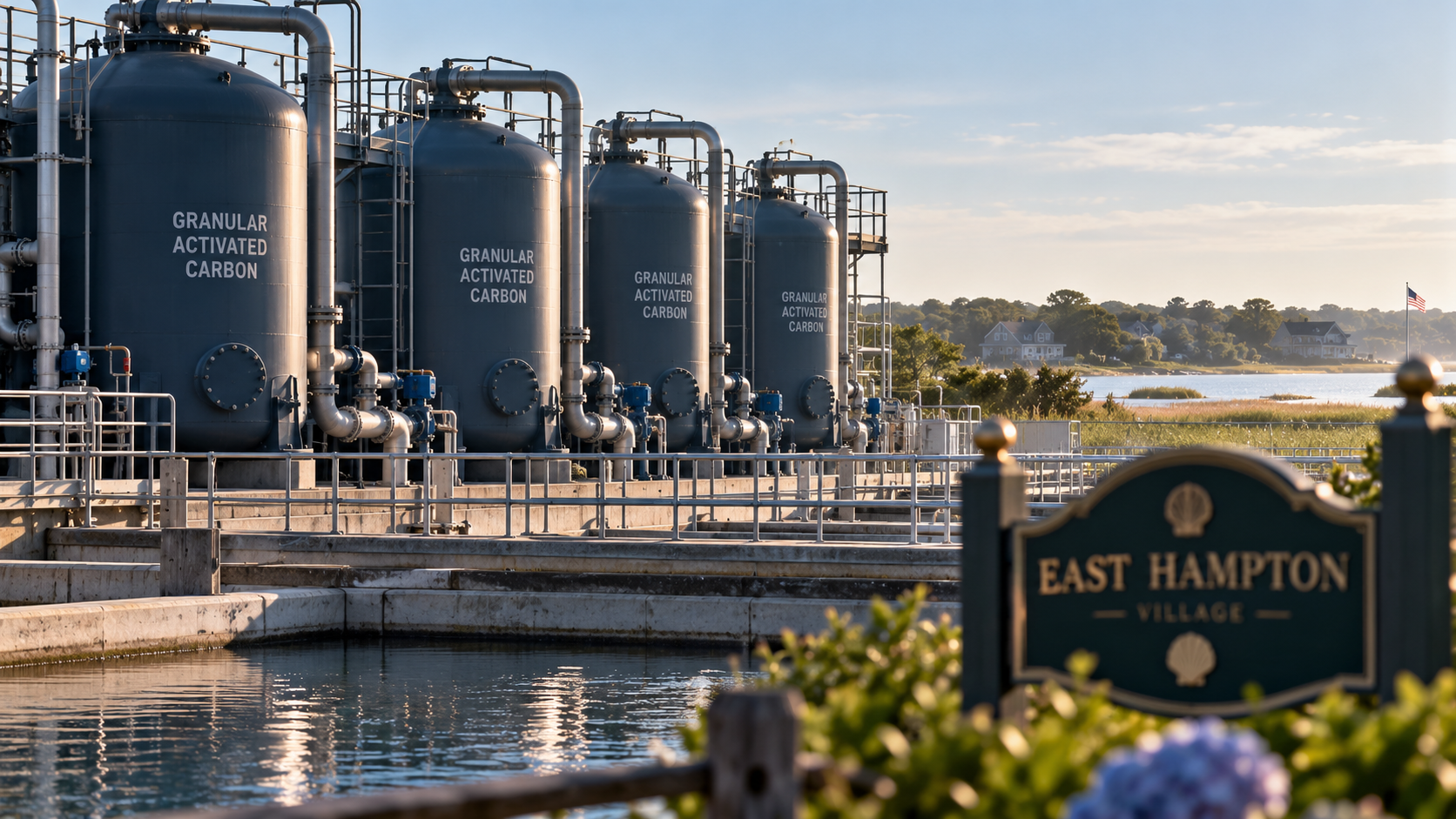
On Long Island, that other agency is NYSDEC. New York has its own freshwater and tidal wetland laws, and they don’t move when the federal definition moves. So a narrower federal rule doesn’t mean less regulation for a shoreline job in Suffolk. It means the compliance burden shifts from the Corps to the state, and the client who thinks “the feds don’t cover this anymore” and skips the delineation is going to meet a DEC enforcement officer.
The people who get hurt in that gap are the small contractors. The big firms have environmental counsel. The guy with three excavators and a marine permit he’s had for ten years reads a headline about WOTUS being narrowed and assumes his life got easier. It didn’t. It got different.
The ditch question is the one that bites on the island. A lot of what drains Suffolk is man-made: agricultural ditches, roadside swales, the old mosquito ditches cut through the salt marsh in the 1930s. Whether those count as waters, federal or state, has been argued for decades and changes every time the definition does. A crew cleaning a ditch that turns out to be jurisdictional is doing unpermitted fill in a wetland, and the fine doesn’t care that it looked like a ditch.
What to do
If you do marine, shoreline, or drainage work anywhere on the island: know which authority governs each site now, and know it in writing. A jurisdictional determination from the Corps is worth getting even if you think the answer is no, because “the Corps said no” is a defense and “I figured” isn’t.
Comments close October 9. The docket is EPA-HQ-OW-2025-0322. The contractors’ associations will file; individual practitioners rarely do, and the ones who describe a specific job that the definition would change are the ones that get read.
What we know
- EPA and Army Corps issued a supplemental notice September 9, 2026 (Docket EPA-HQ-OW-2025-0322) reopening the post-Sackett WOTUS proposal.
- Proposed “relatively permanent” definition: year-round flow, with drought and ≤30-day interruption carve-outs.
- Alternative would limit adjacent-wetland jurisdiction to wetlands “indistinguishably part of” navigable waters and delete the “adjacent” definition.
- ~220,000 comments received on the 2025 proposal. Comments on the supplemental notice close October 9, 2026.
What we don’t know yet
- Which option the agencies will finalize, and when.
- How NYSDEC will respond to a narrowed federal footprint.
Sources
Federal Register, September 9, 2026: https://www.federalregister.gov/documents/2026/09/09/2026-18317/updated-definition-of-waters-of-the-united-states
Corrections: If we got something wrong, tell us at kelly.sacredintel@gmail.com. We fix errors publicly and note the change here.